Creating Multi-Functional Spaces in Smaller Massachusetts Homes
Creating Multi-Functional Spaces in Smaller Massachusetts Homes
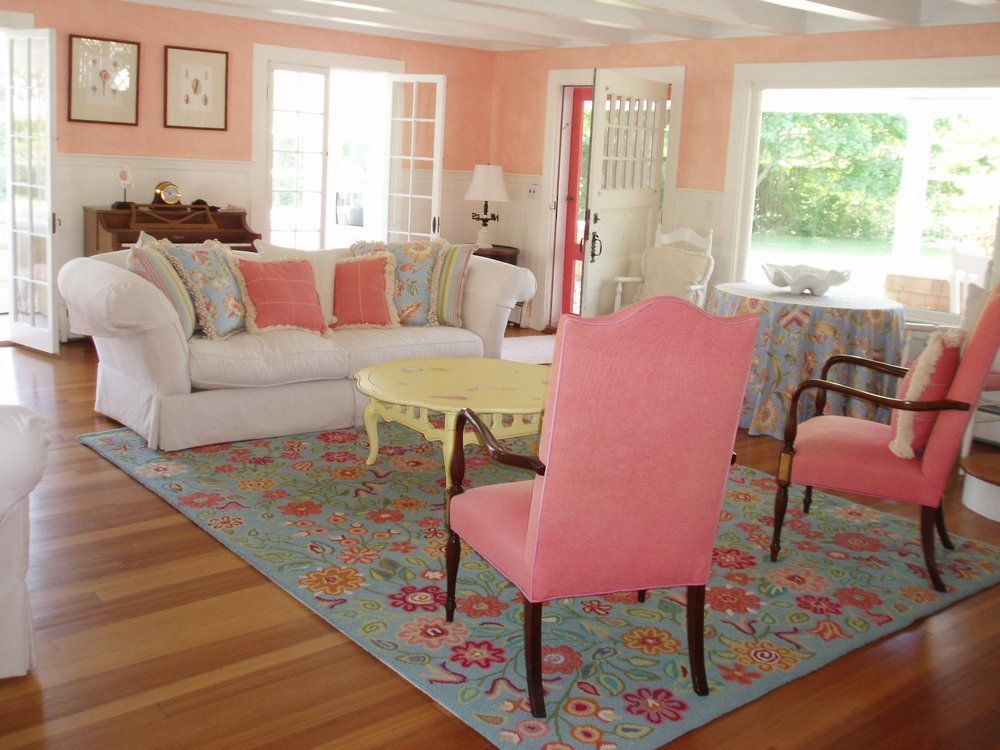
Space is at a premium in many Massachusetts homes. Whether you live in a historic Colonial in Worcester County, a Boston brownstone, or a modest Cape near the coast, square footage often feels limited. Families want their homes to support work, relaxation, entertaining, and storage—but older layouts and small rooms make it difficult to accommodate modern life. The solution is creating multi-functional spaces that maximize every square foot while maintaining a sense of style and comfort.
At PNB Interior Design, Inc., we design homes that work harder for our clients. By rethinking layouts, introducing versatile furniture, and adding built-in storage, we create interiors that serve multiple purposes without feeling cluttered or compromised. This guide outlines strategies for turning small Massachusetts homes into adaptable, elegant living spaces.
Why Multi-Functional Spaces Are Crucial in Massachusetts
- Historic housing stock: Many Colonial and Victorian homes were built with small, compartmentalized rooms. Adapting them requires creativity.
- Urban living: In Boston and Cambridge, condos and row houses have limited square footage but must still support modern amenities.
- Growing family needs: Bedrooms, dining rooms, and basements often serve multiple roles as families expand.
- Remote work: Flexible spaces are vital as more people work from home.
Principles of Multi-Functional Design
Flexibility First
Rooms should easily adapt from one function to another, using furniture and layouts that shift as needed.
Smart Storage
Hidden and built-in storage prevents clutter when rooms serve multiple roles.
Cohesion
Consistent finishes, colors, and materials unify spaces even when they serve more than one purpose.
Balance
Rooms should remain comfortable for daily living even when accommodating work, storage, or exercise.
Multi-Functional Room Strategies
Living Room + Home Office
In many Massachusetts homes, the living room doubles as a work zone.
- Hidden workstations: Wall-mounted or fold-out desks tuck away when not in use.
- Cabinetry: Custom built-ins conceal printers, files, and supplies.
- Furniture choices: Ottomans or side tables with storage add practicality without disrupting style.
Example: In a Cambridge condo, we integrated a floating desk into a built-in bookcase, turning the living room into a flexible lounge and office.
Guest Room + Home Office
Small homes rarely have the luxury of a separate guest room.
- Murphy beds: Free up floor space during the day while offering full comfort at night.
- Daybeds: Serve as seating when not accommodating guests.
- Combination shelving/desk units: Maximize vertical space.
Example: A Worcester family converted a spare bedroom into an office with a queen Murphy bed and custom desk, creating a polished, dual-purpose room.
Dining Room + Study Space
Dining rooms in older Colonials often see little daily use.
- Extendable tables: Support both meals and homework.
- Buffet storage: Doubles as cabinets for school supplies or work files.
- Lighting design: Chandeliers for dinner parties; task lamps for study sessions.
Example: In Newton, a family transformed their formal dining room into a study hub. An extendable farmhouse table hosted both family dinners and homework sessions.
Mudroom + Laundry
Combining laundry with entry spaces makes daily routines more efficient.
- Side-by-side washer/dryer: Tucked beneath counters for folding space.
- Lockers and cubbies: Store coats, shoes, and sports gear.
- Utility sinks: Handle laundry and cleaning needs simultaneously.
Example: A Cape Cod home added laundry machines into the mudroom, turning it into a family command center.
Basement + Recreation Space
Basements often serve multiple roles.
- Zoning: Separate areas for a gym, media lounge, and kids’ playroom.
- Durable flooring: Vinyl plank works for workouts and family movie nights alike.
- Lighting: Layered lighting zones make the basement adaptable.
Example: In Worcester, we turned a basement into a home gym, playroom, and theater, all within one open layout.
Furniture Solutions for Multi-Functional Homes
- Drop-leaf tables: Expand when entertaining; fold away daily.
- Nesting tables: Offer flexibility without taking up floor space.
- Convertible sofas: Turn living rooms into guest spaces.
- Storage ottomans: Hide blankets, toys, or work supplies.
- Wall beds with shelving: Save valuable floor area in small bedrooms.
Storage Strategies
- Built-ins: Custom millwork around windows or under stairs maximizes awkward spaces.
- Vertical storage: Tall cabinetry draws the eye up and saves floor space.
- Closet conversions: “Cloffices” (closet offices) provide hidden workstations.
- Multi-purpose furniture: Benches with drawers, beds with storage compartments.
Lighting for Flexible Use
Lighting allows rooms to adapt to changing needs.
- Overhead fixtures: Provide general illumination.
- Task lighting: Desk lamps and sconces for focused work.
- Accent lighting: Floor lamps or under-cabinet strips create ambiance.
- Dimmers: Shift lighting from productive to relaxing with ease.
Historic Home Considerations
Massachusetts’ historic homes pose unique challenges. Many have small rooms and limited closets. Strategies include:
- Respecting trim and millwork by integrating built-ins with matching profiles.
- Using multi-functional furniture that doesn’t overwhelm compact spaces.
- Choosing historically appropriate color palettes while keeping layouts modern.
Example: In Concord, we preserved original moldings while adding a built-in window seat with hidden storage, blending tradition with practicality.
Designing for Remote Work
Remote work requires dedicated areas even in small homes.
- Closet conversions: Fit a desk and shelves into underused closets.
- Under-stair nooks: Carve out mini offices in otherwise wasted spaces.
- Dual-purpose rooms: Guest bedrooms or dining rooms adapt easily with proper storage and lighting.
Case Studies
Cambridge Condo
We turned a 600-square-foot condo into a flexible space by creating a living room/office hybrid, adding a Murphy bed in the bedroom for guests, and designing built-ins for vertical storage.
Worcester Colonial
We converted the dining room into a dual-use space, keeping a traditional table but adding wall cabinetry for office and school supplies. The room now serves family dinners and daily study sessions.
Newton Family Home
The basement was transformed into a three-zone space: playroom, gym, and media area. Modular furniture and rugs defined zones without walls, keeping the space open yet organized.
Coastal Cottage in Cape Ann
Space was limited, so we combined the mudroom and laundry, added storage benches for beach gear, and created a small office nook overlooking the ocean.
Mistakes to Avoid
- Too much furniture: Overcrowding ruins flexibility.
- No storage plan: Multi-use rooms without storage quickly become cluttered.
- Inconsistent finishes: Cohesion is essential in small homes.
- Neglecting lighting: Without layered lighting, rooms feel one-dimensional.
- Ignoring proportions: Oversized furniture overwhelms small rooms.
FAQs
How do I make my small Massachusetts home feel larger?
Use light color palettes, mirrors, and furniture with multiple functions.
Can guest rooms double as offices without feeling cramped?
Yes. Murphy beds and daybeds keep floor space open while still offering guest comfort.
What’s the best flooring for multi-use spaces?
Hardwood, engineered wood, or luxury vinyl plank provide durability and versatility.
Do built-ins add value?
Yes. Built-ins maximize awkward spaces and increase both function and resale value.
How can I divide one room into multiple uses?
Use area rugs, furniture groupings, or movable partitions to define zones.
What lighting strategies work best?
Layered lighting with dimmers lets rooms shift from productivity to relaxation.
How can historic homes adapt to multi-functional living?
Respect millwork and scale, but integrate storage and flexible furniture discreetly.
Can mudrooms serve as laundry rooms?
Yes. This combination is highly efficient in smaller homes.
What colors make small rooms feel larger?
Light neutrals work best, but strategic accent walls can add depth and character.
Do multi-functional spaces help resale?
Absolutely. Buyers value adaptability in smaller homes.
How do I design for both adults and kids in the same space?
Use durable finishes, clear zones, and flexible furniture that supports all ages.
What’s the most overlooked feature?
Storage. Without it, multi-functional rooms quickly become chaotic.
Conclusion
In smaller Massachusetts homes, every square foot matters. Creating multi-functional spaces allows families to maximize comfort and flexibility without sacrificing style. By combining thoughtful storage, adaptable furniture, cohesive finishes, and layered lighting, any room can serve multiple purposes gracefully.
At PNB Interior Design, Inc., we help homeowners transform compact spaces into elegant, hard-working interiors that balance New England tradition with modern needs.
Contact Us
Want to make the most of your Massachusetts home? Contact PNB Interior Design, Inc. today for expert strategies on designing multi-functional spaces.
Contact Information
- Massachusetts Office: (508) 328-3231 – Northborough, MA
- Maine Office: (207) 374-7164 – Blue Hill, ME
- Email: pnb@pnbinc.com
- Website: PNB Interior Design – https://www.pnbinc.com