Flooring Options That Balance Style and Durability in Massachusetts Homes
Flooring Options That Balance Style and Durability in Massachusetts Homes
Introduction
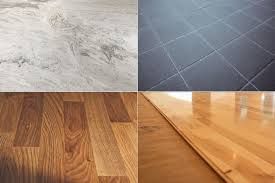
The right floor should look beautiful on day one and still look beautiful years later. In Massachusetts, that means handling snow, road salt, sand, humidity swings, wet paws, and busy family life. The most reliable choices are white oak hardwood, engineered hardwood, porcelain tile, luxury vinyl plank, and natural stone in hard working entries. For play friendly warmth, add cork in bonus rooms or wool carpet in bedrooms. In this guide, PNB Interior Design, Inc. explains how to choose flooring that balances style and durability across every room of a Massachusetts home, including what finishes to pick, what to avoid, and how to maintain your investment.
What durability really means in New England
Durability is not just scratch resistance. It is a combination of surface toughness, moisture tolerance, stability through seasonal humidity swings, ease of cleaning, and how well a finish hides everyday scuffs.
- Winter brings melted snow and salt that etch soft finishes.
- Spring adds mud and grit.
- Summer humidity can swell boards without proper acclimation and vapor control.
- Fall sports and school routines increase foot traffic, cleats, and gear.
A durable specification accounts for all of the above, not just one test in a lab. The rest of this article breaks down the best performers by material and room so you can choose confidently.
Solid hardwood: timeless and refinishable
Solid hardwood floors are a New England classic and a strong long term investment when chosen and finished wisely.
Best species for Massachusetts
White oak is the workhorse. It is naturally tannin rich, accepts stain evenly, and hides wear with its grain. Red oak remains common in older homes and refinishes beautifully. Maple is harder but shows dents more readily and can appear blotchy when stained dark.
Style notes
For Colonials, 3 to 4 inch boards feel authentic, while 5 to 7 inch planks suit transitional homes. Herringbone or chevron patterns add formality in dining rooms and entries.
Finish matters
Site finished with a quality waterborne matte or satin topcoat gives a natural look and easy touch ups. Wire brushed textures disguise micro scratches better than a glass smooth surface. Avoid high gloss; it highlights every scuff.
Where it shines
Living rooms, dining rooms, bedrooms, and hallways. Use large rugs in entries and kitchens if you want hardwood continuity, or transition to tile in those zones for maximum protection.
Engineered hardwood: beauty with added stability
Engineered hardwood is real wood on top of a stable core. It tolerates humidity swings better than solid and often pairs well with radiant heat.
Why it is durable
The layered construction resists cupping and gapping when indoor humidity moves from dry winters to humid summers. Many lines offer tough factory finishes that outperform site applied films for scratch resistance.
Style advantages
Engineered products come in wide plank formats with long boards, making small rooms feel larger. Matte and low sheen finishes keep the look calm and forgiving.
Where to use
Over concrete slabs, in basements with proper vapor control, and in any room where seasonal movement is a concern. It is also a great choice for open plans where you want a wide plank look without the risks of very wide solid boards.
Porcelain tile: unbeatable for entries, kitchens, and baths
If you want worry free performance in wet zones, porcelain tile leads the pack.
Strengths
It is waterproof, stain resistant, and nearly scratch proof. In mudrooms and kitchens, porcelain prevents salt and water from damaging adjacent finishes. Modern porcelain convincingly mimics slate, limestone, marble, or wood without the maintenance requirements of those materials.
Comfort and safety
Choose textured or matte finishes for traction. Pair tile with radiant floor heat to solve the cold underfoot feeling. Oversized formats reduce grout lines and speed cleaning.
Where to use
Mudrooms, entries, laundry rooms, kitchens, and any bath. In historic homes, classic hex, basketweave, or brick formats look period appropriate while delivering modern durability.
Natural stone: character with proper care
Stone can be excellent in New England when chosen and sealed correctly.
Best performers
Slate and bluestone offer rugged texture and a look that belongs in Massachusetts mudrooms and porches. Honed marble is beautiful in primary baths if you accept patina and commit to care.
Care tips
Seal stone regularly and use a neutral pH cleaner. Place generous mats at entries to keep grit from acting like sandpaper. If you want the look of stone with less upkeep, use a porcelain lookalike in the highest traffic zones.
Luxury vinyl plank and tile: budget friendly and tough
Well made luxury vinyl products handle water, pets, and kids with ease.
Why clients choose it
It is waterproof, forgiving on subfloors, and quieter underfoot than tile. The best versions have realistic embossing and durable wear layers that stand up to chairs and claws.
Style direction
Select mid toned wood looks with minimal repeating patterns. Avoid very shiny finishes. In baths and laundry rooms, stone look LVT gives a clean, cohesive feel without cold tile.
Where it excels
Basements, playrooms, rentals, pet zones, and coastal homes that see sand and moisture daily.
Cork and bamboo: warm, resilient, and sustainable
Cork is naturally springy, quiet, and warm. It makes great sense for playrooms, home offices, and bedrooms where standing comfort matters. Choose products designed for light damp mopping and follow manufacturer maintenance recommendations.
Strand woven bamboo is denser than many woods and resists denting. It reads modern and clean. Quality varies widely, so source from reputable manufacturers and confirm low VOC adhesives.
Carpet and runners: where softness belongs
Wall to wall carpet is still a smart choice in bedrooms and on stairs when style and safety are priorities.
Best fiber
Wool is durable, naturally flame resistant, and ages gracefully. In homes with allergies, select dense loops or low piles and pair with a quality vacuum.
Stairs
A wool runner over hardwood improves traction and reduces noise. Choose a pattern that hides traffic lines and coordinate with adjacent wood tones.
Best floors by room in Massachusetts homes
Mudroom and entry
Porcelain tile or slate for traction and water resistance. Add a recessed mat well and a second mat at the interior threshold. Where style continuity is important, run hardwood to the door but create a tiled landing at the exterior entrance to capture the worst of the weather.
Kitchen
Tile for maximum durability or engineered hardwood for warmth that ties to adjacent rooms. If you cook daily and have pets, tile with radiant heat is the easiest long term. If you entertain often and want a seamless look, engineered hardwood with a matte finish and rugs at the sink and stove balances beauty and practicality.
Living and dining rooms
Solid or engineered white oak with a matte finish. Add felt pads to furniture, establish a no shoes habit in winter, and use a wool area rug to absorb grit.
Bedrooms
Hardwood plus a wool rug for the most flexible look, or wall to wall wool for quiet and warmth.
Bathrooms and laundry
Porcelain tile or stone with careful sealing. Use larger formats in small baths to reduce grout lines and make rooms feel bigger.
Basements
Engineered hardwood over a proper vapor barrier if you need the look of wood, or luxury vinyl plank for maximum resiliency. Always address moisture first with testing and mitigation before installing any floor.
Color, finish, and texture choices that hide wear
- Pick matte or satin finishes rather than gloss.
- Choose wire brushed or light hand scraped textures that disguise micro scratches.
- Mid toned stains hide dust and pet hair better than very light or very dark floors.
- In historic homes, match existing board widths where possible; in modern spaces, wide planks simplify sightlines.
These surface decisions often matter more to daily durability than the species itself.
Radiant heat and floors
Radiant heat is common in Massachusetts remodels. It pairs very well with tile and stone. Engineered hardwood is typically safe over radiant systems when installed to manufacturer limits for temperature and humidity. Solid hardwood can work with careful specification, but it is less forgiving. Always include expansion allowances, control maximum floor temperatures, and stabilize indoor humidity with a humidifier in winter.
Pets, kids, and real life
Life proof floors are about preparation and habits.
- Add walk off mats at every exterior door and teach everyone to stop there.
- Put felt pads on furniture and a protective mat under rolling chairs.
- Keep pet nails trimmed and use runners where pets sprint.
- Clean spills promptly and vacuum grit routinely to prevent abrasion.
Combine those habits with a forgiving finish and you extend the life of any material.
Sustainability and healthy homes
Low emission finishes and adhesives matter for air quality.
- Look for products certified by independent programs such as GREENGUARD or FloorScore for low chemical emissions. See their consumer resources for guidance
[https://www.ul.com/resources/greenguard-certified-products] and [https://www.scsglobalservices.com/floorscore].
- When buying wood, ask about FSC certification to support responsible forestry
[https://www.fsc.org].
- For site finishing, specify low VOC waterborne finishes and avoid strong solvents whenever possible. The EPA’s guidance on indoor air quality and VOCs is useful for homeowners
[https://www.epa.gov/indoor-air-quality-iaq/volatile-organic-compounds-impact-indoor-air-quality].
These choices lead to more comfortable spaces, especially in tightly sealed New England homes.
Subfloor and installation basics that prevent failures
Even the best floor fails without good prep.
- Acclimate wood products to the home’s temperature and humidity before installation.
- Test concrete for moisture and install vapor barriers or mitigation when needed.
- Level subfloors to manufacturer tolerances; long planks telegraph dips and humps.
- Use the correct underlayment for sound reduction in condos and for thermal efficiency over radiant systems.
- Follow expansion gap requirements around the room perimeter and at transitions.
A clean, dry, flat subfloor is the simplest way to add years of life to any floor.
Maintenance cheat sheet
- Hardwood
Vacuum or dust mop often, use a neutral wood floor cleaner, and avoid wet mopping. Plan to screen and recoat high traffic zones every few years rather than waiting for a full sand and refinish. - Tile and stone
Vacuum grit, mop with a neutral cleaner, and re seal stone as recommended. Keep grout sealed in entries and kitchens. - Luxury vinyl
Damp mop with the manufacturer cleaner. Avoid steam mops and harsh solvents. - Carpet
Vacuum with a quality machine and schedule professional cleaning as needed. Rotate runners to even out wear.
Budget and value: where to spend and where to save
Spend on the surface you touch and see every day and on the labor that makes it last. In practice that means a quality wear layer or finish, a flat subfloor, and a professional installer. Save by using durable lookalikes in utility spaces. For example, use porcelain that resembles limestone in a mudroom and reserve real stone for a powder room accent. In basements, put funds into moisture control first and choose luxury vinyl or engineered wood for the finish layer.
Frequently asked questions
What is the most durable wood floor for a Massachusetts family home?
White oak with a matte waterborne finish and light wire brushing offers an ideal balance of hardness, stainability, and scratch camouflage.
Is engineered hardwood better than solid in New England?
Engineered hardwood is more dimensionally stable through dry winters and humid summers, especially in wide planks or over radiant heat. Solid is excellent in conditioned spaces when installed and finished correctly.
Tile or wood in the kitchen?
Tile wins for pure durability and water resistance. Engineered hardwood wins for warmth and visual flow in open plans. Many families choose engineered hardwood with protective rugs and accept minor wear in exchange for a unified look.
What floor is best for basements?
Address moisture first. Then use luxury vinyl plank for maximum resilience or engineered hardwood rated for below grade if you prefer wood.
Do dark floors show everything?
Yes. They highlight dust, scratches, and pet hair. Mid toned stains are the most forgiving day to day.
How do I protect floors from winter salt?
Install a large walk off mat at the exterior, a second mat inside the door, a boot tray in the mudroom, and clean grit promptly with a neutral cleaner.
Are cork floors durable enough for families?
Cork is resilient and comfortable. Use it in lower impact rooms like playrooms or offices, follow care guidelines, and avoid puddles. It is not ideal for mudrooms or wet baths.
Can I refinish engineered wood?
Many engineered products have a thick enough wear layer for at least one sanding. Confirm thickness before purchase if future refinishing matters to you.
Conclusion
Choosing floors for a Massachusetts home is about honest materials, thoughtful finishes, and matching the right product to each room. Use tile or stone in wet entries and baths, engineered or solid white oak in living areas, luxury vinyl in basements and pet zones, and wool where you want quiet and comfort. Combine those choices with good subfloor prep, low emission finishes, and simple maintenance, and your floors will stay beautiful through every season.
Next steps and how we can help
PNB Interior Design, Inc. helps Massachusetts families select, specify, and install floors that suit architecture, lifestyle, and budget. We coordinate samples in your actual light, design thresholds and transitions, and oversee installation so the result is cohesive and long lasting.