Smart Home Integration for Massachusetts Homes: Blending Technology with Timeless Design
Smart Home Integration for Massachusetts Homes: Blending Technology with Timeless Design
Introduction
Smart home technology is no longer a luxury reserved for ultra-modern properties. In Massachusetts, homeowners in Colonials, Victorians, Capes, and new construction alike are seeking thoughtful ways to incorporate automation into their interiors. The key is not simply adding gadgets—it is integrating technology seamlessly into the architecture and design of the home.
When properly planned, smart home integration enhances comfort, improves energy efficiency, increases security, and simplifies daily life. The challenge, particularly in historic or traditionally styled homes, is maintaining visual integrity while introducing modern systems. At PNB Interior Design, Inc., we approach smart home integration as part of the overall design strategy, ensuring that technology supports the home rather than dominating it.
What Smart Home Integration Really Means
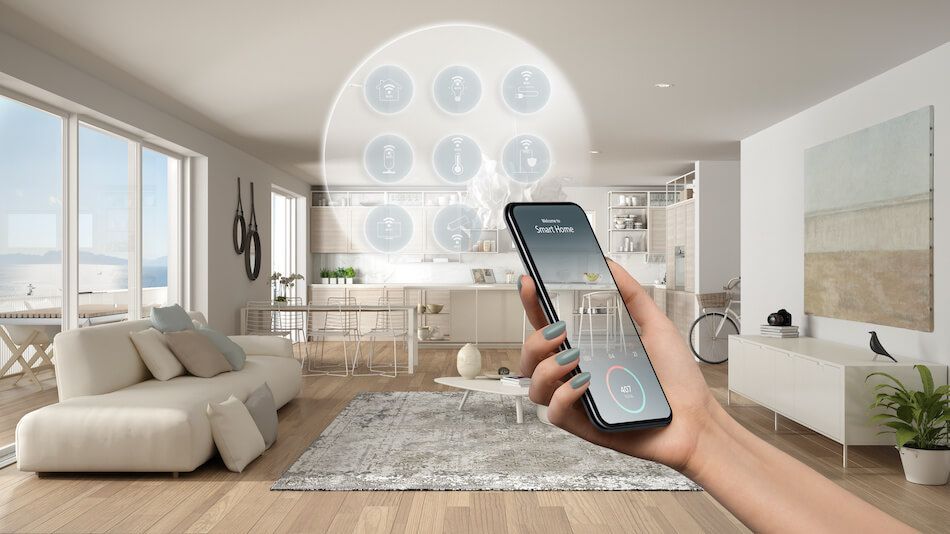
True smart home integration goes beyond adding a few connected devices. It involves coordinating lighting, climate control, security, audio, window treatments, and sometimes appliances into one cohesive system. The goal is centralized control—often through wall keypads, discreet touch panels, or mobile devices—while minimizing visible clutter.
In Massachusetts homes, especially those with historic character, integration must be subtle.
Wires should be concealed, controls should match hardware finishes, and devices should blend into millwork or walls. A successful system feels invisible while delivering powerful functionality.
Lighting Control Systems
Lighting is one of the most impactful areas for smart integration. In a historic Colonial or Victorian home, layered lighting is already important. Adding automation enhances that layering significantly.
Smart lighting systems allow homeowners to:
- Program preset scenes for entertaining, relaxing, or nighttime routines
- Adjust brightness automatically based on time of day
- Control lights remotely while away
- Integrate exterior lighting with sunset and sunrise schedules
In design-sensitive interiors, we specify wall keypads in finishes that match trim or hardware. Instead of multiple switches cluttering a wall, a single elegant keypad can control multiple circuits.
Climate and Energy Efficiency
Massachusetts experiences cold winters and humid summers. Smart thermostats and zoned HVAC systems allow precise temperature management, reducing energy costs and improving comfort.
In older homes, where heating systems may be less efficient, zoning becomes especially important. Smart controls allow homeowners to:
- Adjust temperatures room by room
- Schedule heating based on occupancy
- Monitor systems remotely
- Integrate radiant floor heating controls
By coordinating climate systems with window treatments and ceiling fans, homes remain comfortable year-round without excessive energy use.
Motorized Window Treatments
Automated shades and draperies are increasingly popular in Massachusetts homes. They offer:
- Improved insulation during winter
- Solar heat control in summer
- UV protection for furnishings
- Privacy with timed schedules
In traditional interiors, fabric choices remain classic—linen, wool, or tailored Roman shades—while the motorization components are concealed within headrails or valances. The result is a refined look with modern performance.
Integrated Audio and Media
Whole-house audio systems allow music to flow seamlessly between rooms without visible speakers cluttering walls. In historic homes, ceiling speakers can be painted to match plaster, or in-wall units can be placed discreetly within millwork.
Media rooms in basements or family rooms benefit from integrated systems that hide wires and equipment in cabinetry. Custom-built entertainment centers maintain aesthetic cohesion while housing receivers and components.
Security and Peace of Mind
Smart security systems provide reassurance for homeowners who travel frequently or maintain second homes in Maine or coastal Massachusetts. Features include:
- Video doorbells
- Discreet security cameras
- Remote door locks
- Window and motion sensors
When carefully installed, these devices remain unobtrusive. Exterior cameras can be mounted within trim lines or under eaves, maintaining the architectural appearance of the home.
Smart Kitchens and Appliances
Modern kitchens increasingly include connected appliances. Refrigerators with inventory
tracking, ovens controlled via smartphone, and touchless faucets enhance efficiency.
The key in traditional Massachusetts homes is panel-ready appliances and cohesive cabinetry design. Technology should not interrupt classic lines. Smart integration is most successful when appliances are visually integrated into custom millwork.
Wiring and Infrastructure Planning
Proper planning is essential. In historic homes, running new wiring requires careful coordination to protect plaster and original woodwork.
Best practices include:
- Routing wires through attics and basements
- Concealing cables within new millwork
- Using wireless systems when possible
- Planning equipment closets for centralized hubs
Early collaboration between designers, electricians, and low-voltage specialists prevents unnecessary damage and ensures seamless results.
Balancing Technology and Timelessness
Technology evolves quickly. Design should endure. We recommend:
- Investing in infrastructure first
- Choosing systems that allow upgrades
- Avoiding overly visible screens or devices
- Prioritizing user-friendly interfaces
Timeless architecture paired with adaptable technology creates homes that remain current without feeling dated.
Case Study: Worcester County Colonial
A family wanted full home automation in a 1920s Colonial. We installed discreet lighting controls, integrated motorized shades behind traditional cornices, and concealed speakers within custom cabinetry. The keypad finishes matched existing brass hardware, preserving authenticity while delivering modern convenience.
Case Study: Coastal Massachusetts Retreat
In a seasonal home, remote monitoring was essential. Smart thermostats, security cameras, and automated exterior lighting allowed the homeowners to manage the property year-round. Interior design remained coastal and classic, with no visible tech clutter.
Common Mistakes to Avoid
- Overloading walls with visible devices
- Installing mismatched finishes that clash with historic trim
- Skipping professional planning
- Choosing complicated systems without intuitive controls
- Failing to consider future upgrades
Frequently Asked Questions
Can smart home technology work in historic Massachusetts homes?
Yes. With careful planning and discreet installation, technology can enhance comfort without compromising character.
Is wireless better than wired systems?
Both have advantages. Wireless reduces invasive wiring, while wired systems often provide stronger reliability.
Do smart systems increase home value?
Yes, especially when integrated professionally and designed to complement the architecture.
How do I prevent technology from looking outdated?
Focus on hidden infrastructure and upgradeable systems rather than flashy devices.
Can lighting scenes really make a difference?
Absolutely. Preset scenes enhance mood, functionality, and energy efficiency.
Conclusion
Smart home integration in Massachusetts homes is about balance. When technology is thoughtfully incorporated into the design process, it enhances comfort, efficiency, and security while respecting architectural heritage.
At PNB Interior Design, Inc., we approach smart home design as part of a holistic interior strategy—ensuring every device, control, and wire supports both function and beauty.